| Insect | Length |
|---|---|
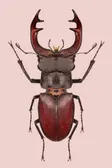
| European stag beetle | Males about 4 to 7.5 cm with the jaws; females about 3 to 5 cm |
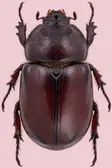
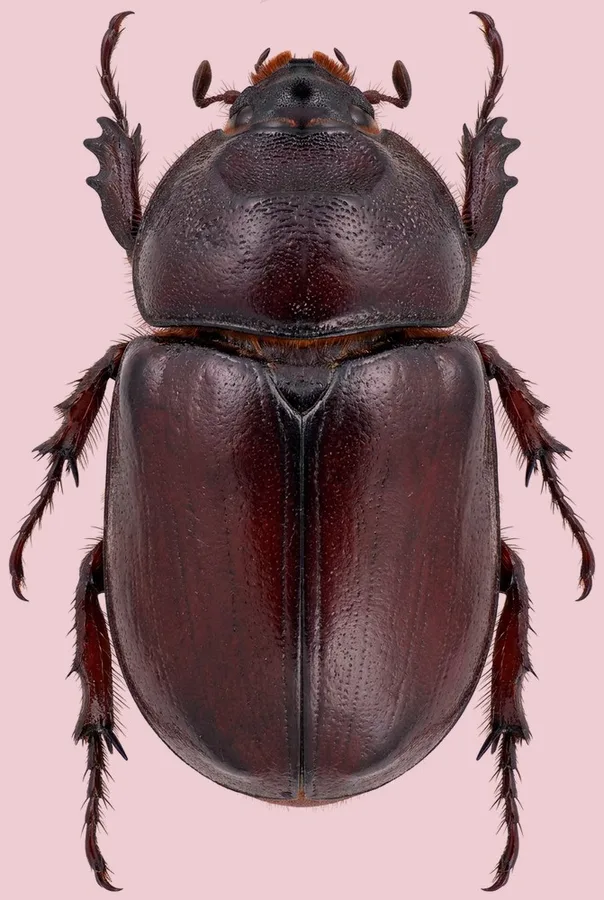
| European rhinoceros beetle | Usually 2 to 4 cm |
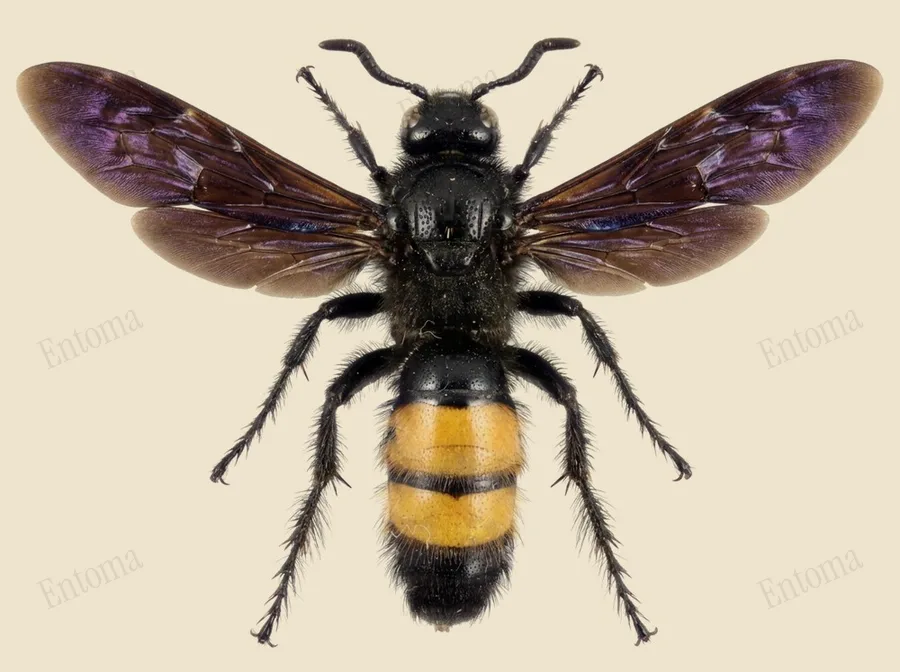
| Scoliid wasps | About 16 to 25 mm |
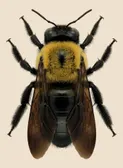
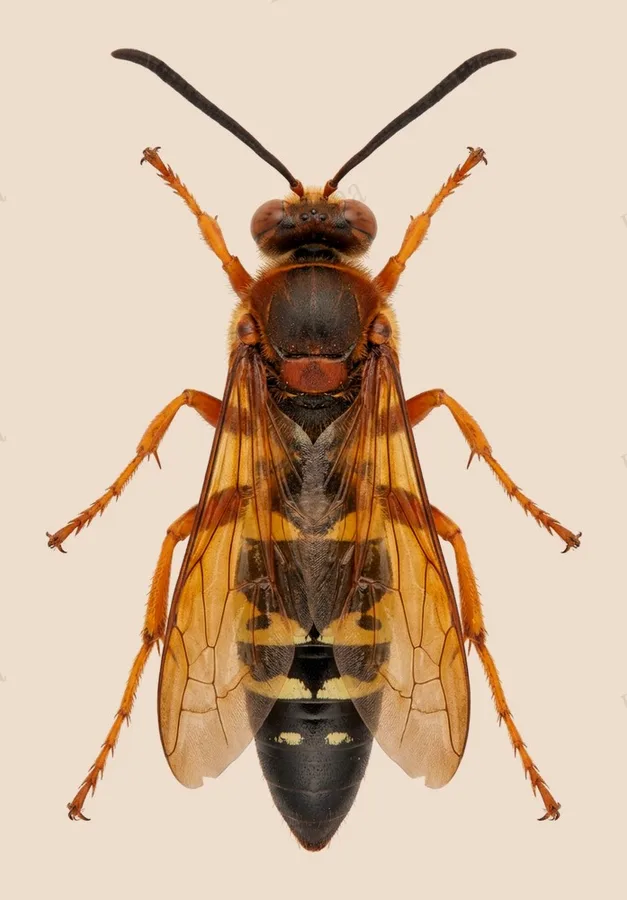
| Eastern cicada-killer wasp | Up to about 4 to 5 cm |
The European stag beetle
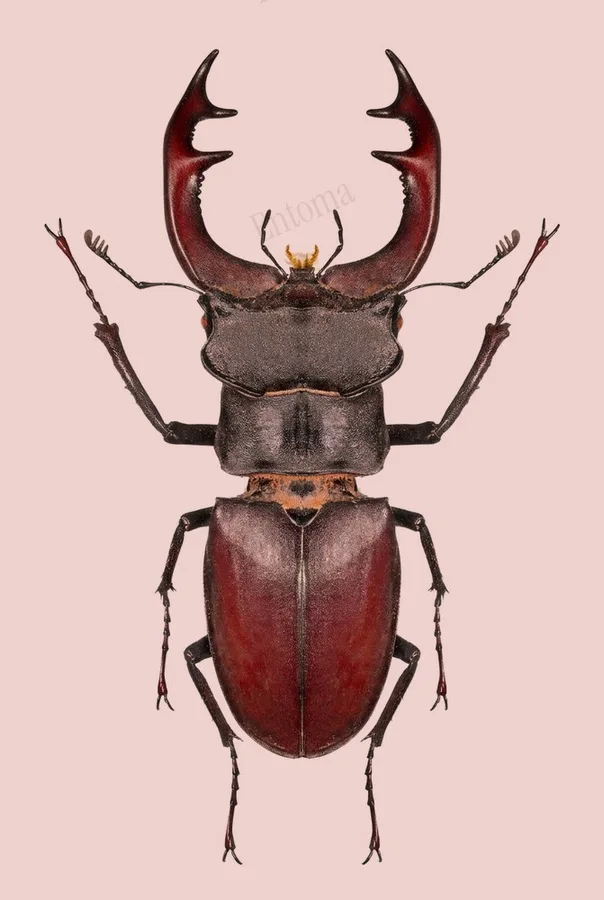
Male European stag beetles are roughly 4 to 7.5 cm long including the jaws, among the biggest beetles in Europe. Females are smaller, about 3 to 5 cm, with much smaller jaws. The males use their antler like jaws to fight other males for females, not to feed or hunt.
They are harmless to people. A male can give only a slight pinch, and only if provoked. The adults eat no solid food and drink sweet fluids such as tree sap and the juice of rotting fruit.
The larvae spend several years underground feeding on rotting wood and can grow to around 11 cm long, which is why stag beetles need dead wood left in place.
The European rhinoceros beetle
The European rhinoceros beetle, Oryctes nasicornis, is usually 2 to 4 cm long.
Carpenter bees
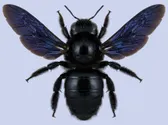
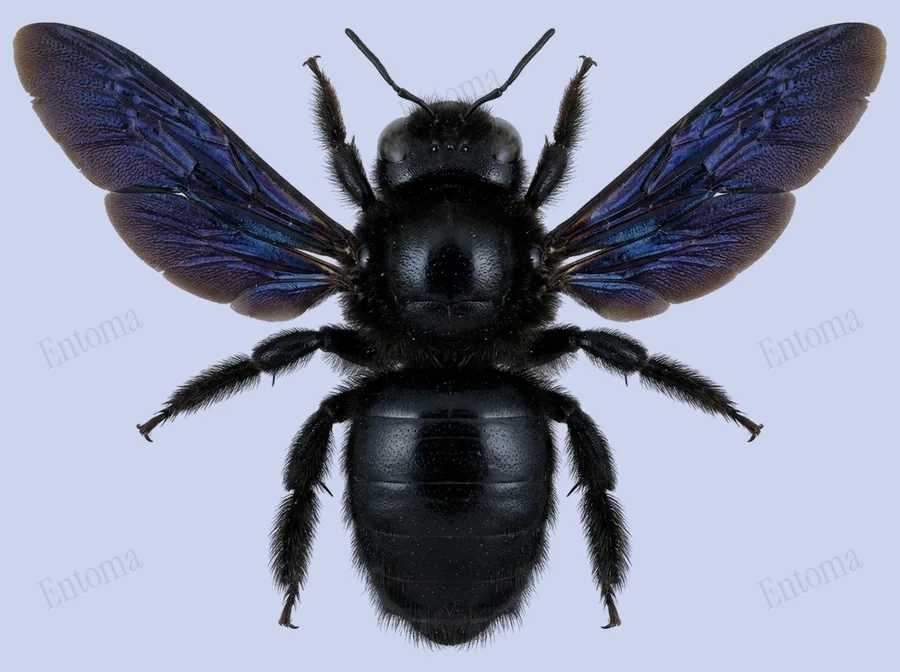
The violet carpenter bee is a solitary bee: each female builds her nest alone, chewing round holes and tunnels in wood for her eggs. Carpenter bees are not particularly aggressive, and the females are reluctant to sting, doing so only if threatened or trapped.
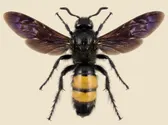
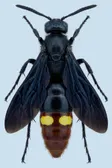
Scoliid wasps
Scoliid wasps are about 16 to 25 mm long. A female digs down to a scarab beetle grub, paralyses it with a sting and lays an egg on it, so that her larva can feed. Because their larvae eat grubs living in the soil, they are counted as beneficial.
They are not aggressive and are unlikely to sting people unless grabbed or stepped on with bare feet. Adults often visit flowers for nectar.
Cicada killers
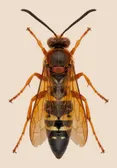
The eastern cicada-killer wasp is one of the largest wasps, up to about 4 to 5 cm long, and looks alarming. Only females have a stinger, which they use to paralyse cicadas, and they rarely sting people unless handled roughly or disturbed.
The big ones that hover at eye level are males, which have no stinger at all; they are inspecting passers by and guarding their territory. Cicada killers are not considered a stinging hazard unless disturbed directly, and the adults are seen mostly in summer, around July and August.