| Insect | The journey |
|---|---|
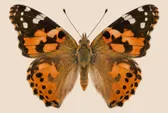
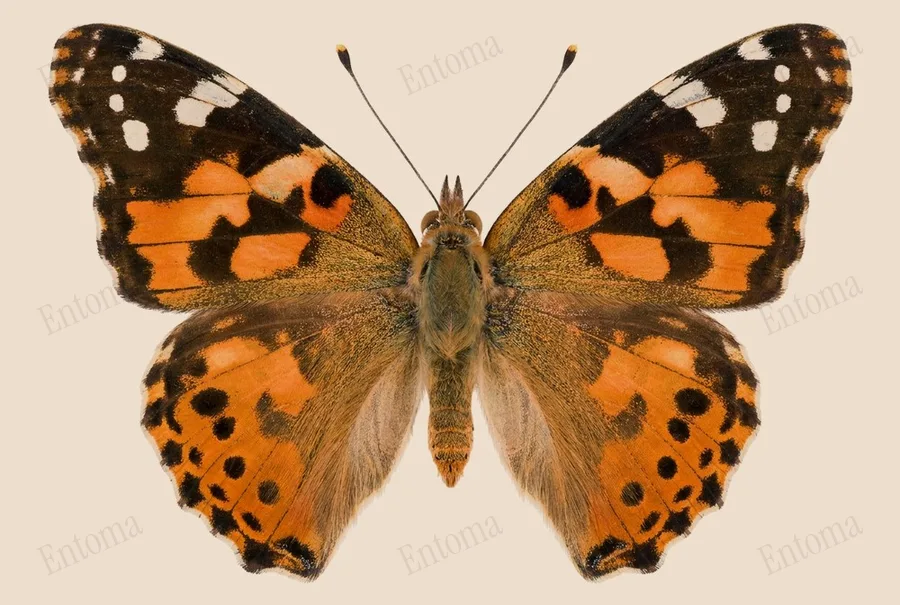
| Painted lady | Between tropical Africa and the Arctic Circle, over several generations |
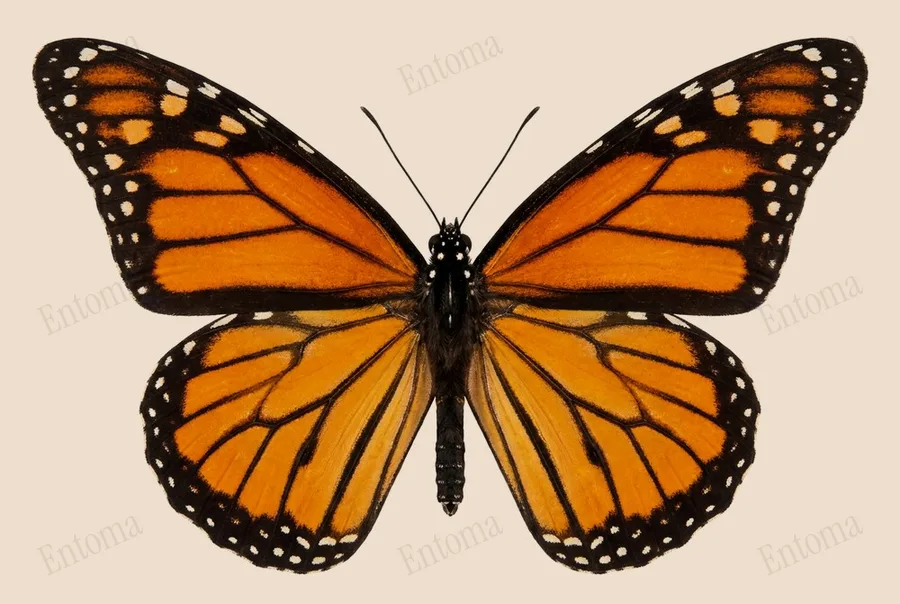
| Monarch | Up to roughly 4,500 km to winter in Mexico, as a relay over several generations |
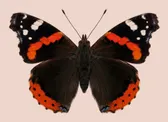
| Red admiral | From warmer regions into cooler ones in spring and summer |
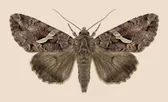
| Silver Y | Arrives as an immigrant, most often from late summer into autumn |
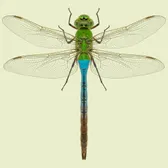
| Common green darner | Migrants fly to warmer areas in autumn; their offspring return in spring |
| Wandering glider | Sea crossings of around 2,500 km across the Indian Ocean |
The painted lady
Painted ladies travel between tropical Africa and the Arctic Circle, but no single butterfly makes the whole round trip. Several generations follow one another, each flying one leg.
Their autumn flight takes place hundreds of metres above the ground, which is why it is so rarely seen. The caterpillars use a very wide range of host plants, with thistles the favourite.
The monarch
One population of monarchs travels thousands of kilometres, up to roughly 4,500 km, to spend the winter in mountain forests in Mexico. It is a relay: each butterfly covers only part of the route, and the yearly cycle takes several generations. A summer monarch lives only about two to five weeks as an adult.
Monarch caterpillars feed only on milkweed and take in its cardiac glycosides, which makes both the caterpillars and the adults toxic to predators.
The red admiral and the silver Y
The red admiral moves from warmer regions into cooler ones in spring and summer. The new arrivals lay eggs, and in cooler areas the population is built up from them, although a few places now see some red admirals survive the winter. Its caterpillars feed mainly on stinging nettle.
The silver Y is a migratory moth, a common immigrant that arrives in numbers that change from year to year, most often from late summer into autumn.
Dragonflies that migrate
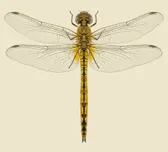
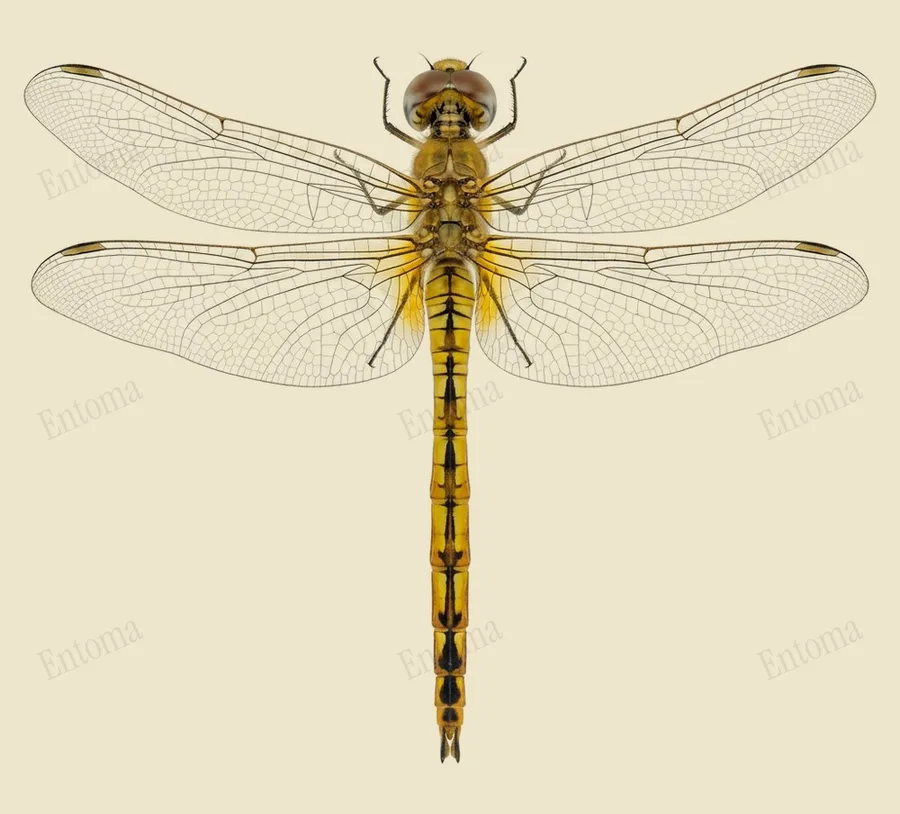
The common green darner is a large dragonfly, about 7 to 8 cm long. Some of its populations stay put and others migrate: these fly to warmer areas in autumn, and their offspring return in spring, covering thousands of kilometres.
The wandering glider, also called the globe skimmer, is thought to migrate across the Indian Ocean, with sea crossings of around 2,500 km on the route. It moves between places where temporary rain pools form, and it can breed in such pools.