| Insect | Comes from | Why it matters |
|---|---|---|
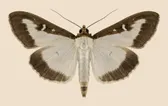
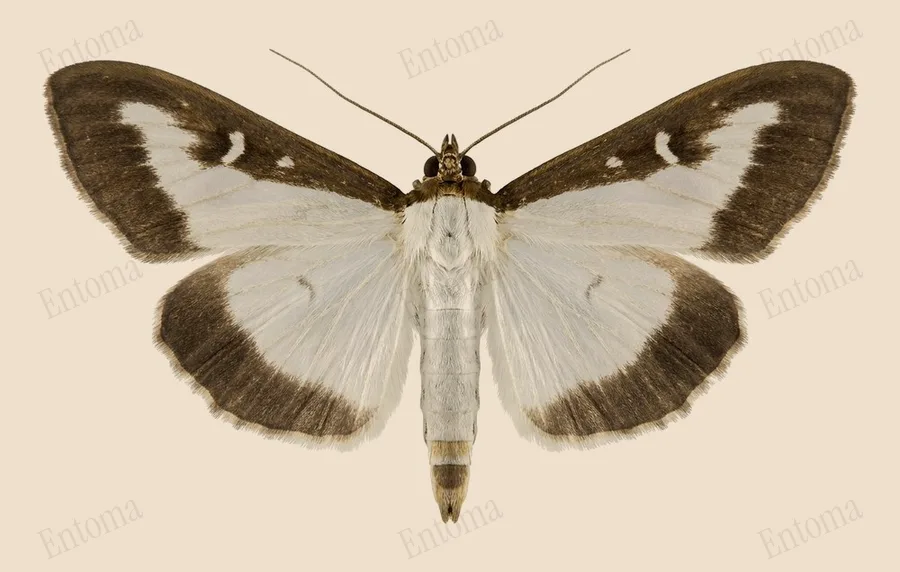
| Box tree moth | Asia | Caterpillars can strip box plants of their leaves |
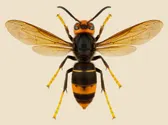
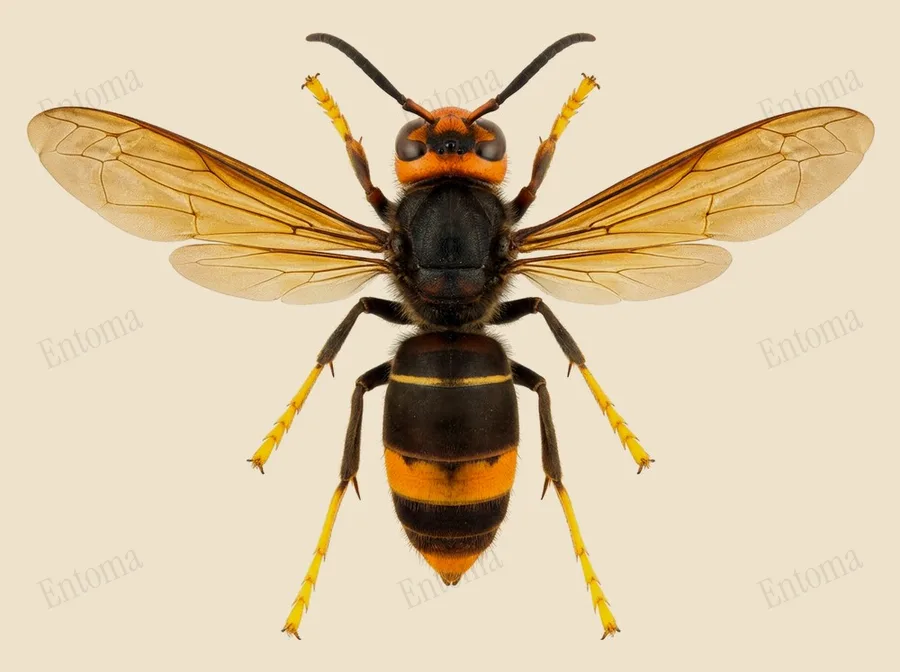
| Yellow-legged hornet | Asia | Preys on insects; a serious threat to honeybees |
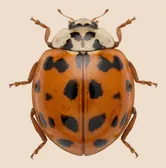
| Harlequin ladybird | Asia | Eats other insects, other ladybirds included |
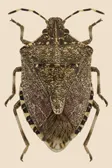
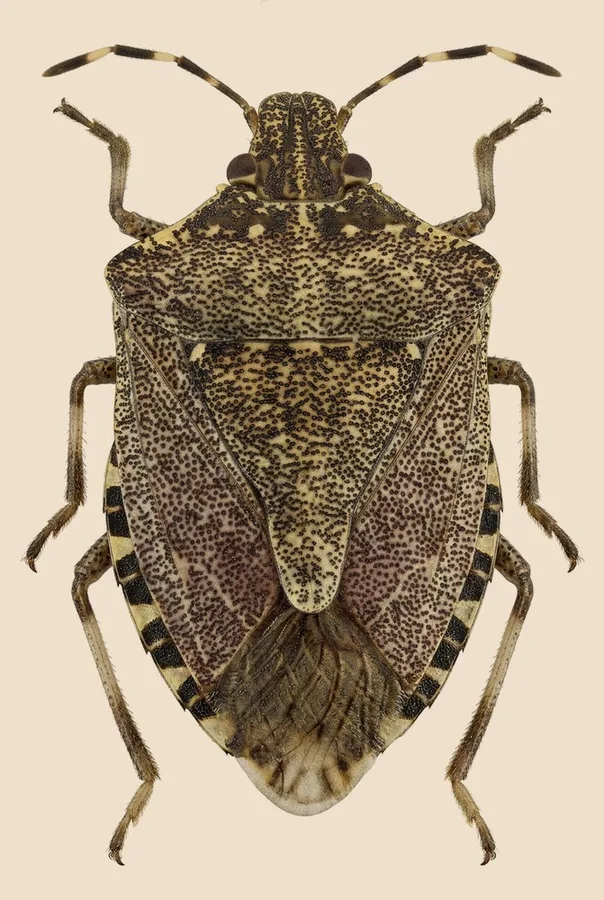
| Brown marmorated stink bug | Asia | Feeds on a very wide range of plants; comes indoors in autumn |
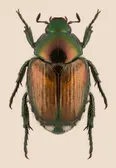
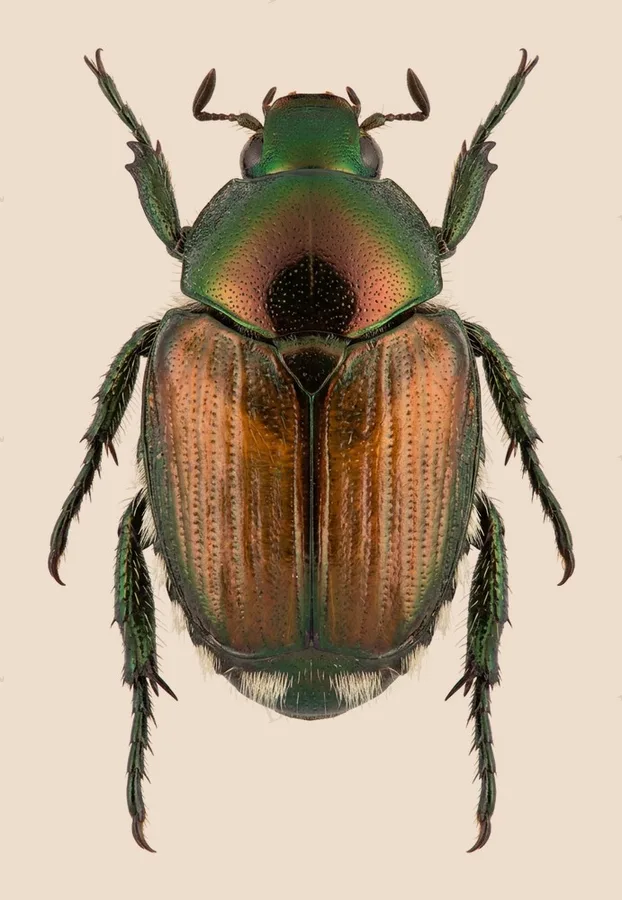
| Japanese beetle | Asia | Adults eat more than 300 kinds of plants; larvae eat grass roots |
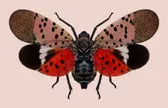
| Spotted lanternfly | Asia | Sucks sap; its honeydew encourages sooty mould |
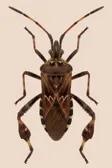
| Western conifer seed bug | North America | Comes indoors in autumn; harmless to people |
Box tree moth
The box tree moth is native to Asia. It was first found in Europe around 2006 to 2007, has since spread across much of the continent and has reached North America.
In Europe its caterpillars have only been seen eating box, Buxus. They can strip a plant of its leaves and leave silk webbing and green black droppings behind.
Yellow-legged hornet
The yellow-legged hornet, also called the Asian hornet, reached Europe in 2004 with imported goods and has since spread to many European countries. It has yellow legs, a yellow face, a dark velvety thorax and a yellow orange band on the fourth segment of the abdomen.
It hunts many kinds of insects and thrives where food is plentiful, for example near apiaries, which makes it a serious threat to pollinators such as honeybees.
Harlequin ladybird
The harlequin ladybird is native to Asia. It was released to control aphids and has since spread widely in Europe and the Americas. It feeds on other insects, other ladybirds included, though whether it causes native ladybirds to decline is still unclear.
Brown marmorated stink bug
The brown marmorated stink bug is native to Asia and reached North America by accident. It feeds on a very wide range of plants and moves into buildings in autumn to spend the winter. It does not bite people, but it gives off a pungent smell when disturbed.
Japanese beetle
The Japanese beetle is native to Asia. It was first reported in North America in 1916 and first found on mainland Europe in 2014. The adults eat the leaves, flowers and fruit of more than 300 plant species, and the larvae feed on grass roots.
Spotted lanternfly
The spotted lanternfly occurs in parts of Asia and was first detected in North America in 2014. The adults prefer tree of heaven and grapevine. They suck sap and excrete sticky honeydew, which encourages sooty mould and attracts other insects.
Western conifer seed bug
The western conifer seed bug comes from North America and was first recorded in Europe in 1999. It often comes into houses in autumn but poses no threat to human health.