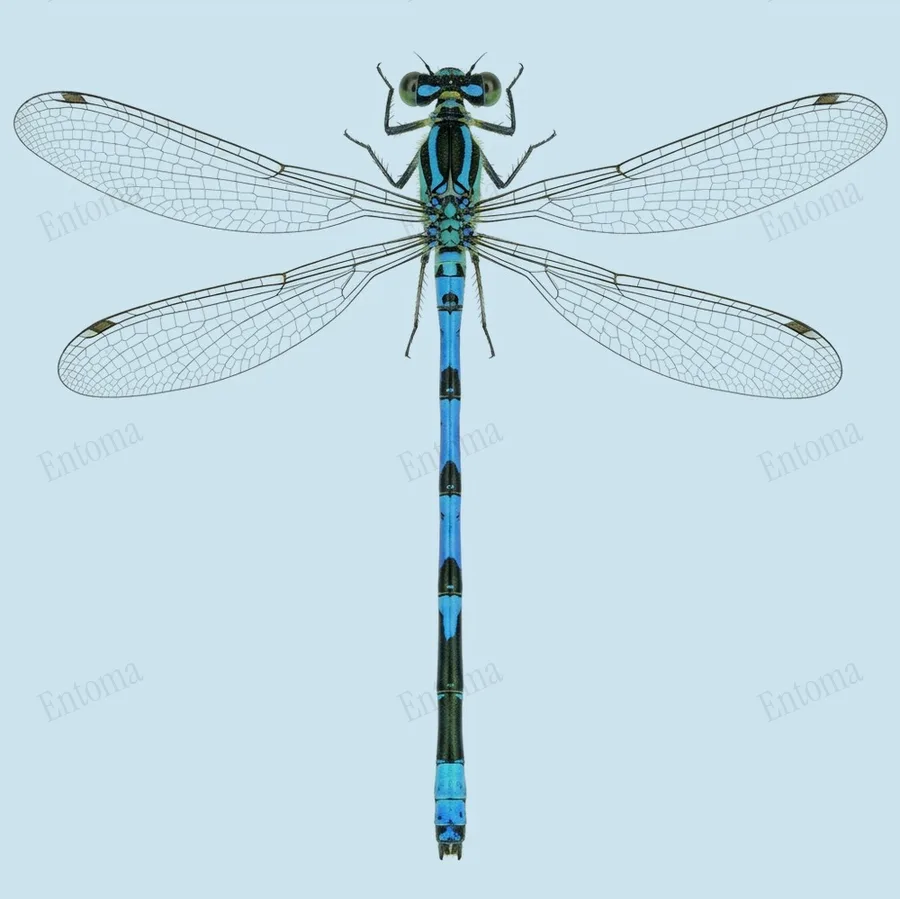
Variable wisp
Mature males of this tiny damselfly turn almost entirely white with a fine powdery coating, while immature males are orange and black.
| Where | Ponds, marshes and paddy fields |
|---|---|
| Size | 16 to 18 mm abdomen length |
| When | January to December |
One of the smallest damselflies in Asia, the Variable wisp changes colour with age: young males are orange and black, maturing to a powdery white body, while females range from olive green to reddish with dark marks on the neck plate.
It breeds in still, grassy waters such as ponds, marshes and paddy fields across tropical Asia, and is easily confused with the similarly tiny Agriocnemis pygmaea, best told apart by the male tail appendages.
Traits
Habitat
Wetland
Colour
White, Green, Black
Active
Day
To people
Harmless to handle and easily overlooked among waterside grasses.
Activity through the year
Often confused with
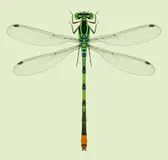
Nearly identical in size and colour to the Variable wisp and sharing the same still-water habitats; best separated by examining the male's tail appendages.
Questions
Is the Variable wisp dangerous to people?
Harmless to handle and easily overlooked among waterside grasses.
When can you see the Variable wisp?
The Variable wisp can be seen from January to December, by day.
Plate retouched from a museum specimen photo by Angela McCartney, Australian Museum, CC BY 4.0, GBIF Licence
Report a mistake in this entry
Dragonflies and damselflies›Narrow-winged damselflies›Agriocnemis
Last updated 2026-09-27. Every entry is checked against published sources.