How the light is made
The light comes from a light organ in the abdomen. There a molecule called luciferin reacts with oxygen, helped by an enzyme called luciferase.
The glow-worm
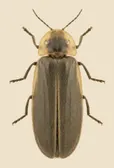
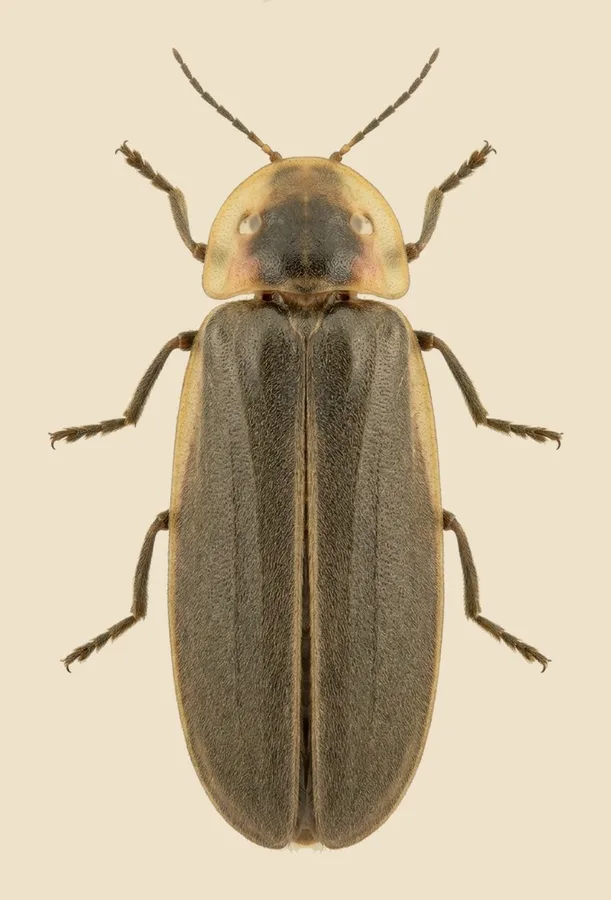
The female European glow-worm has no wings. She climbs a plant stem and shines a greenish yellow light to attract the flying males. She glows for several hours after dark and stops once she has mated. She is about 20 mm long; the males are much smaller and look like ordinary beetles, with hard wing cases, and they can fly.
Adult glow-worms do not eat at all. The larvae are the hunters, and they feed on snails. Adults are on show in summer, with the peak of activity in June and July.
Flash codes
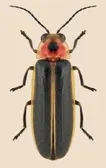
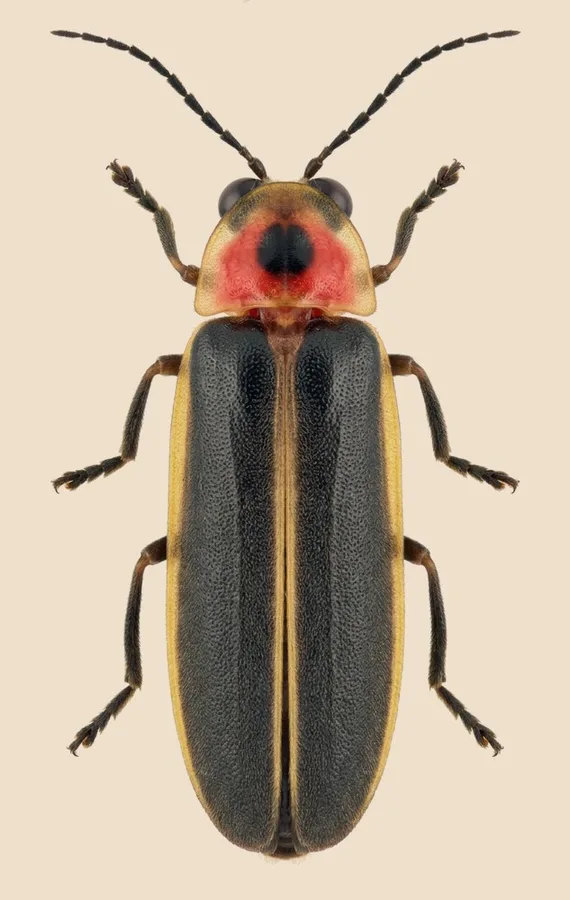
Each firefly species has its own flash pattern, and the timing and shape of a flash help a firefly recognise a mate of its own kind. The male common eastern firefly flies in a curve shaped like a J and flashes about once every five seconds. A female on the ground answers with her own flash after a short delay.
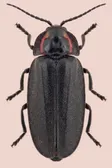
Many fireflies contain lucibufagins, steroid compounds chemically similar to toad toxins, which make them taste bad to predators. Females of the genus Photuris exploit this: they copy the flash replies of Photinus females, lure the males in and eat them, and so gain lucibufagins they cannot make themselves.
Why they need darkness
Artificial light at night makes it harder for male glow-worms to find the females and may contribute to their decline. Habitat destruction and light pollution are among the threats to fireflies in general.