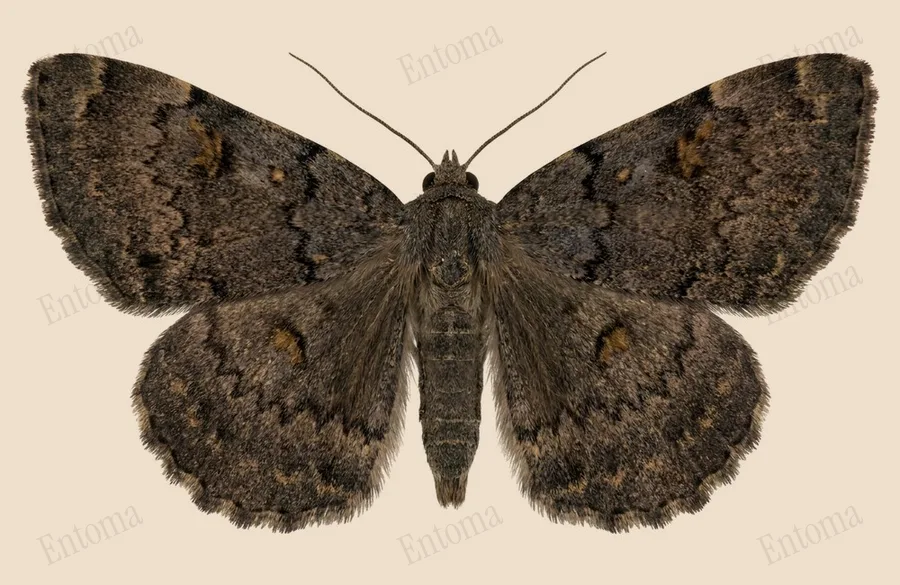
Common idia
This moth's caterpillars eat only dead leaves on the forest floor, never living plants, unusual for a moth in its family.
| Where | Leaf litter in moist forests |
|---|---|
| Size | 20 to 30 mm wingspan |
| When | April to October |
The Common Idia is a small, plain moth with nearly uniform medium gray wings crossed by thin, irregular dark lines. Its most useful field mark is the pale, warm ochre to orange-brown reniform spot near the center of the forewing, which lacks a dark outline.
Caterpillars are detritivores that feed on dead, fallen leaves rather than living foliage, and adults come readily to lights at night. Two to three generations fly each year across the warmer parts of its range.
Traits
Habitat
Woodland
Colour
Grey, Brown
Active
Night
To people
Attracted to light; harmless to people.
Activity through the year
Often confused with
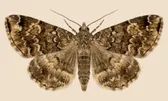
Similar in size, but the American Idia has a row of dark rectangular spots along the front edge of the forewing and more reddish-brown tones, features the plainer gray Common Idia lacks.
Questions
Is the Common idia dangerous to people?
Attracted to light; harmless to people.
When can you see the Common idia?
The Common idia can be seen from April to October, at night.
Plate retouched from a photo by wildreturn, CC0, iNaturalist Licence
Report a mistake in this entry
Butterflies and moths›Erebid moths›Idia
Last updated 2026-09-27. Every entry is checked against published sources.